

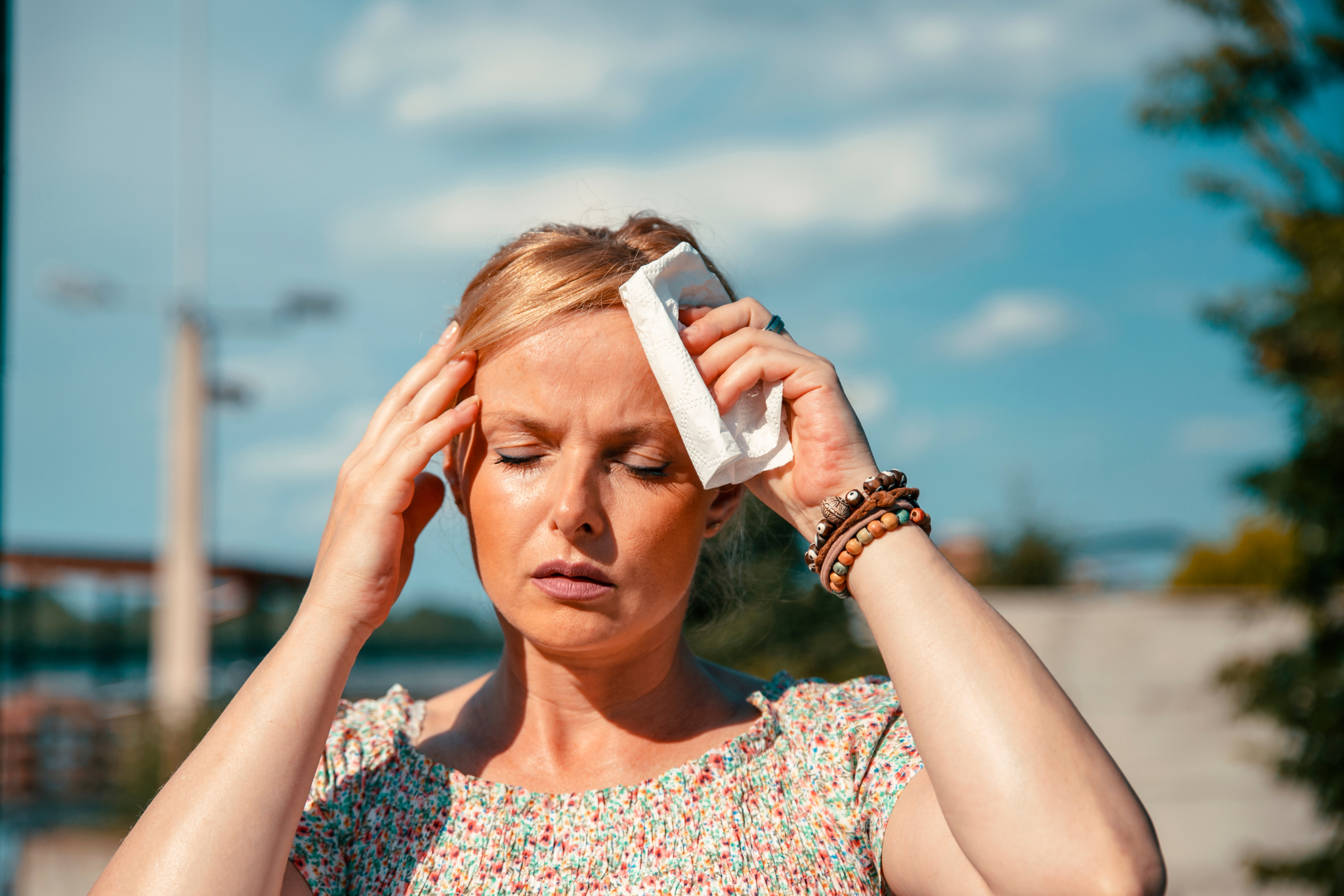
During the summer months, many people experience recurring or sudden headaches, which are often triggered by heat, insufficient fluid intake, strong sunlight, or changes in the weather. Although in most cases these are mild and temporary, summer headaches can be caused by dehydration, heat-related illness, or a predisposition to migraines. That is why it is important to identify the underlying causes, pay attention to your body’s signals, and seek medical help in a timely manner if necessary.
Why Are Headaches More Common in Summer?
Summer headaches are a familiar phenomenon for many people: on hot days, in the heat, or after a day at the beach, dull, throbbing, or tightening pain tends to occur more frequently. The causes are often complex: heat, increased sweating, insufficient fluid intake, strong sunlight, air-conditioned rooms, and changes in weather can all be contributing factors. A headache is unpleasant in itself, but it’s important to know that in certain cases, it can also be a warning sign from the body.
Pain usually draws attention to some kind of harmful process or strain, and not all pain is the same; therefore, identifying the underlying cause is essential for treatment.
Heat-Induced Headaches: How Do They Develop?
One of the most common causes of heat-induced headaches is that the body loses more fluids when exposed to high temperatures. In hot weather, blood vessels may dilate, sweating increases, and the body’s fluid and electrolyte balance can be disrupted. This can easily lead to headaches, especially if you do not drink enough water or spend extended periods in hot, humid environments.
According to the World Health Organization (WHO), heat exposure poses a significant health risk and can worsen existing medical conditions. For this reason, prevention is particularly important during the summer months.
Dehydration: When You Don’t Drink Enough Water
Even mild dehydration can cause headaches. When the body does not receive enough fluids, blood circulation may become less efficient, concentration can decline, and symptoms such as fatigue, dizziness, or dry mouth may occur. Many people only drink water once they feel thirsty, but during the summer it is important to stay hydrated throughout the day, especially when exercising, playing sports, or doing outdoor work.
Water is generally the best choice for staying hydrated. In hot weather, it is better to drink smaller amounts of water regularly throughout the day rather than consuming a large quantity all at once. If you are sweating heavily, for example during physical work in high temperatures, it is also important to replenish lost electrolytes and minerals.
Sunlight, Bright Light, and Migraines
During the summer months, intense sunlight and glare can also trigger headaches. People who suffer from migraines may be especially sensitive to bright light, sudden changes in temperature, and lack of sleep. A migraine is more than just a headache—it often involves throbbing pain on one side of the head and may be accompanied by nausea, vomiting, and sensitivity to light and sound.
For some individuals, changes in the weather, extreme heat or cold, high humidity, dry air, and fluctuations in atmospheric pressure can also trigger migraines or make existing headaches worse.
Atmospheric Pressure and Weather: Hidden Triggers
Summer weather can change rapidly, with sudden drops in temperature, thunderstorms, high humidity, and fluctuations in atmospheric pressure. For some people, these changes can trigger headaches. Not everyone is affected in the same way, but those who are prone to migraines often notice that their symptoms become more severe on certain days—for example, before a storm or during hot, humid weather.
Keeping a headache diary can be helpful in identifying personal triggers. Record when the headache occurs, how much water you drank, how much sleep you got, what the weather was like, and whether you experienced stress or physical exertion. Over time, this information may help you recognize patterns and better manage your headaches.
Cold Drinks, Ice Cream, and Air Conditioning: Harmless or Problematic?
Sometimes the cause of a summer headache is surprisingly ordinary. Drinking a very cold beverage or eating ice cream can trigger a brief, sharp headache, often referred to as a “brain freeze.” Although it usually passes quickly, it can be quite uncomfortable. Air conditioning can also contribute to headaches, especially if the temperature is set too low or if cold air is blowing directly onto the head or neck.
A large temperature difference between the hot outdoor air and a cool indoor environment can put additional strain on the body. To reduce the risk of headaches, it is best to avoid sudden or extreme changes in temperature whenever possible.
Heat-Related Illness: When It’s More Than Just a Headache
If a headache occurs during hot weather and is accompanied by dizziness, weakness, nausea, vomiting, confusion, heavy sweating, or a rapid heartbeat, it may be a sign of something more serious than a simple headache. Headache, feeling unwell, fatigue, and dizziness are all common symptoms of heat exhaustion.
If heat exhaustion is suspected, it is important to move to a cool place, lower the body’s temperature, and drink plenty of fluids. If symptoms do not improve within 30 minutes, medical attention should be sought.
What Can You Do If You Get a Headache in Summer?
If your headache is mild and is likely caused by heat, dehydration, or fatigue, the first steps are to rest, drink water, move to a cool, shaded place, and avoid bright light. If you are experiencing a migraine, resting in a dark, quiet room can be especially beneficial.
Applying a cold compress to the forehead or the back of the neck may also help relieve the pain. Rest, relaxation, and the local application of either heat or cold can all be effective in easing headache symptoms.
Staying Hydrated: How Much Water Should You Drink?
There is no single ideal amount of water that applies to everyone. Individual fluid requirements depend on factors such as age, body weight, physical activity, overall health, and the outside temperature. During the summer, however, the body generally loses more fluids due to the heat, making it important to drink more frequently throughout the day.
Adequate hydration is particularly important for older adults, children, pregnant women, people with chronic health conditions, and those who exercise regularly or work outdoors.
Caffeinated and alcoholic beverages should not be considered substitutes for water. On hot days, drinking water, eating soups, and consuming fruits and vegetables with a high water content can all help maintain proper hydration.
Treating Summer Headaches with Medication
The appropriate treatment for a headache always depends on its underlying cause. For mild headaches, rest, adequate hydration, and staying in a cool environment are often enough to relieve the symptoms. If you choose to take a pain reliever, it is important to read the patient information leaflet, follow the recommended dosage, and avoid using pain medication too frequently without consulting a healthcare professional.
If headaches occur frequently, become more severe, or you experience a new or unusual type of headache, you should seek medical advice. While pain relief medication can improve comfort and reduce symptoms, it does not always address the underlying cause of the headache.
When Should You See a Doctor?
You should seek medical attention immediately if your headache is sudden and extremely severe—often described as a “thunderclap headache”—or if it is accompanied by fever, a stiff neck, confusion, vision problems, difficulty speaking, weakness in the arms or legs, fainting, repeated vomiting, or chest pain. Medical evaluation is also important if a headache develops after a head injury, occurs during pregnancy, or if your usual migraine symptoms change in character or severity.
If you experience recurring headaches throughout the summer, it is worth consulting a healthcare professional to help identify potential triggers and determine the most appropriate treatment.
How Can Summer Headaches Be Prevented?
The key to preventing summer headaches is being proactive. On hot days, avoid prolonged exposure to direct sunlight, especially during the hottest hours around midday. Wear a hat, sunglasses, and lightweight clothing, and stay in cool or shaded areas whenever possible. If you exercise outdoors, it is generally best to do so in the early morning or the evening. Don’t wait until you feel thirsty—drink water regularly throughout the day.
For people who suffer from migraines, maintaining a consistent daily routine can also help. Getting enough sleep, eating regular meals, staying well hydrated, managing stress, and avoiding known triggers may all reduce the risk of attacks. Intense heat, changes in atmospheric pressure, and dehydration are among the most common weather-related migraine triggers.
Listen to Your Body’s Signals
Summer headaches are often caused by heat, dehydration, intense sunlight, changes in the weather, fluctuations in atmospheric pressure, or migraines. Although they are often mild and temporary, they should not be ignored—especially if the symptoms are severe, unusual, or accompanied by other concerning signs.
The most important steps are simple: stay well hydrated, avoid excessive heat, rest in a cool, dark place, and pay attention to what triggers your symptoms. If your headache does not go away, keeps recurring, or is accompanied by worrying symptoms, seek medical advice. Taking preventive measures during the summer can help protect you not only from headaches but also from the more serious health risks associated with extreme heat.
Frequently Asked Questions (FAQ)
Why are headaches more common in summer?
Hot weather, intense sunlight, increased sweating, and inadequate fluid intake can all contribute to headaches during the summer. Because the body loses more fluids in the heat, dehydration can develop more easily, making headaches more likely or worsening existing symptoms.
What should I do if I get a headache in hot weather?
Move to a cool, shaded place as soon as possible, drink water, rest, and avoid bright light. If your headache does not improve or is accompanied by nausea, dizziness, vomiting, or confusion, seek medical attention.
Can dehydration cause headaches?
Yes. Dehydration is one of the most common causes of summer headaches, particularly on hot days or after physical activity. Drinking water regularly, maintaining adequate fluid intake, and avoiding excessive heat can help prevent dehydration-related headaches.
Are migraines more common during the summer?
Yes. For some people, migraine attacks are more likely to be triggered in the summer by bright sunlight, high temperatures, changes in atmospheric pressure, or lack of sleep. Resting in a cool, dark, quiet room and avoiding known migraine triggers can help relieve symptoms and reduce the risk of attacks.
When should I see a doctor about a headache?
You should seek medical attention if your headache is sudden, extremely severe, or unusual, or if it is accompanied by fever, a stiff neck, vision problems, difficulty speaking, weakness in the arms or legs, fainting, or repeated vomiting. It is also advisable to consult a healthcare professional if headaches become more frequent, worsen over time, or if your usual headache or migraine symptoms change.
Sources:
World Health Organization (WHO). Heat and health.
https://www.who.int/news-room/fact-sheets/detail/climate-change-heat-and-health
Centers for Disease Control and Prevention (CDC). About Heat and Your Health. https://www.cdc.gov/extreme-heat/prevention/index.html