

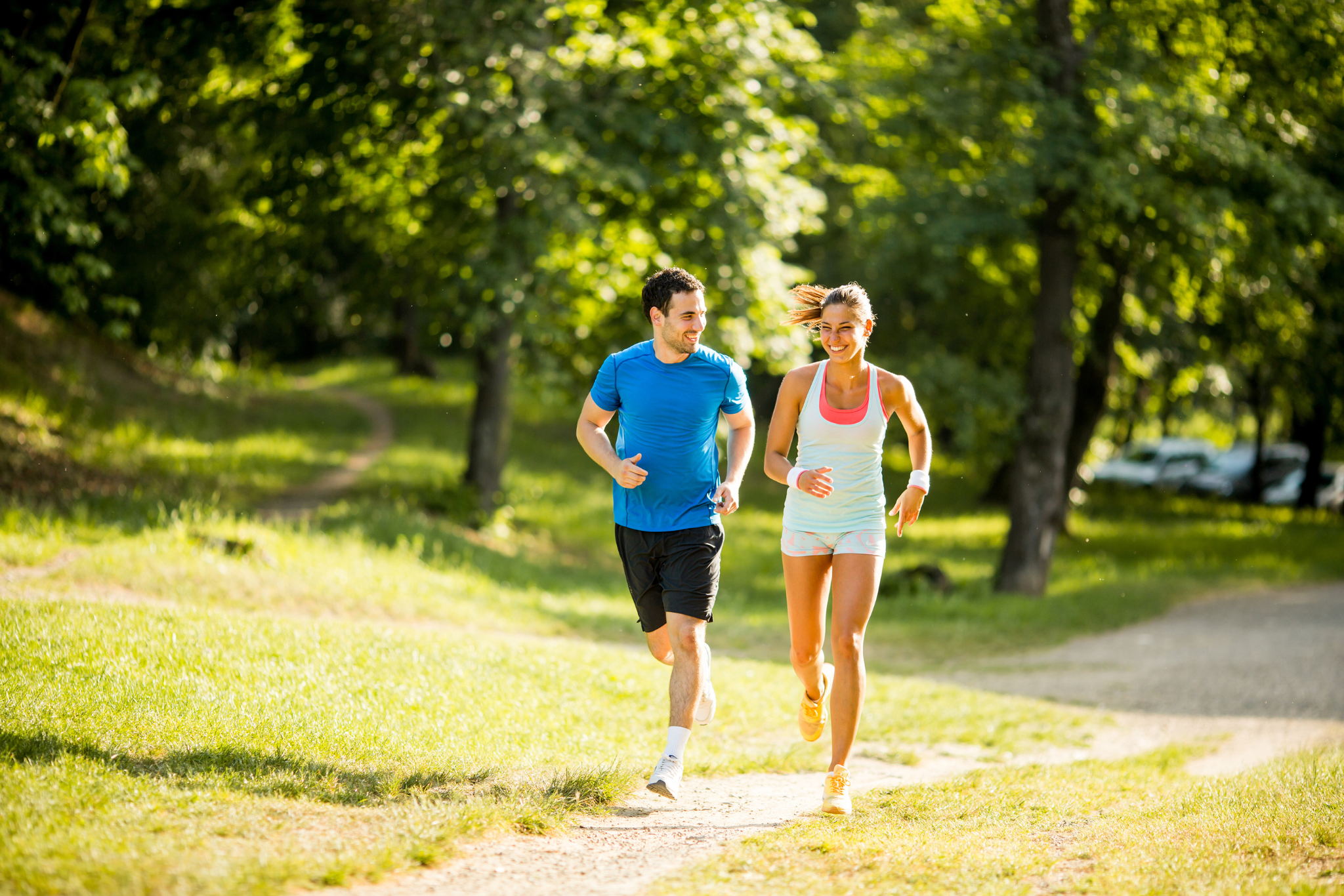
During the summer months, physical activity can provide not only a sense of renewal but also place greater physical demands on the body. Exercising in hot weather requires extra caution, as high temperatures, intense sunlight, and increased sweating cause the body to lose water and essential minerals more quickly. The goal is not to give up exercising during the summer, but to stay active at the right time of day, at an appropriate intensity, and with adequate fluid intake.
How Does Hot Weather Affect the Body?
In hot weather, one of the body’s most important tasks is regulating its core temperature. During exercise, the muscles generate heat, and in warm conditions the body has a harder time dissipating that heat. As a result, sweating increases, heart rate may rise, the cardiovascular system is placed under greater strain, and fatigue can set in more quickly.
According to the World Health Organization (WHO), most of the health risks associated with heat are preventable. However, high temperatures can be particularly challenging for vulnerable groups, including older adults, children, people with chronic health conditions, and those who work outdoors. This is also an important consideration for athletes and physically active individuals, especially during extreme heat or heatwaves.
How Much Water Should You Drink When Exercising in Summer?
Adequate fluid intake depends on several individual factors, including body weight, workout duration, exercise intensity, weather conditions, and how much you sweat. As a general guideline, it’s a good idea to start hydrating before your workout and continue drinking small amounts of water regularly during exercise. For longer runs, cycling sessions, or high-intensity activities, beverages containing electrolytes and minerals may also be beneficial.
Rather than focusing solely on the total number of liters consumed each day, it’s more important to listen to your body’s signals. Light-colored urine generally indicates good hydration, while darker urine may be a sign that you need to drink more fluids. At the same time, excessive water intake is not ideal either, so maintaining a balanced approach to hydration is key.
It is best to avoid strenuous physical activity during the hottest part of the day, especially between 11:00 a.m. and 3:00 p.m. Exercising in the early morning or evening is generally safer, as temperatures are lower, sun exposure is reduced, and the body is under less heat stress.
If you need to work out during the day, choose a shaded route, reduce the intensity of your exercise, and take more frequent breaks. During heatwaves, consider replacing a run with a light walk, swimming, an indoor workout, or a shorter, lower-intensity training session.
During summer exercise, clothing also plays an important role. Lightweight, breathable, light-colored sportswear helps our body dissipate heat more efficiently. Dark, thick, or poorly ventilated clothing can increase the sensation of heat and raise the risk of overheating.
When exercising outdoors, not only clothing but also a cap, sunglasses, and sun protection are important. Sunburn itself places additional stress on the body and can also impair heat dissipation. Therefore, it is worth choosing equipment that is not only comfortable but also supports safe exercise.
Preventing Muscle Cramps in Hot Weather
Muscle cramps are one of the common discomforts of exercising during the summer. They may be caused by fluid loss, mineral deficiency, excessive physical exertion, or inadequate warm-up. To help prevent cramps, it is important to increase training intensity gradually, warm up properly, stretch after exercise, and replace lost fluids and minerals.
During longer workouts, such as running or cycling, pay attention not only to drinking water but also, if necessary, to replacing lost electrolytes. If muscle cramps occur frequently, are accompanied by severe pain, or do not go away, it is advisable to seek medical advice.
Recovery: Not a Luxury, but Part of Progress
There are symptoms that should never be ignored. If you experience dizziness, nausea, headache, weakness, confusion, a rapid heartbeat, muscle cramps, or cold, clammy skin while exercising, you should stop your workout immediately. Symptoms of heat exhaustion may include fatigue, dizziness, headache, nausea, excessive sweating, cramps, and intense thirst. In such cases, you should move to a cool place, drink fluids, and cool your body.
If the symptoms do not improve, become worse, or if heat stroke is suspected, urgent medical attention is required.
Sources:
World Health Organization (WHO). Climate change, heat and health.
https://www.who.int/news-room/fact-sheets/detail/climate-change-heat-and-health
Centers for Disease Control and Prevention (CDC). Heat and Athletes.
https://www.cdc.gov/heat-health/risk-factors/heat-and-athletes.html